
Finding the right Vyvanse dosage isn’t as simple as picking a number and calling it a day. In fact, it’s one of the most personalized parts of ADHD or binge-eating disorder (BED) treatment. While the medication is well-known for helping with focus, impulse control, and energy regulation, people often underestimate how much fine-tuning goes into getting the dose right. If you’ve ever wondered how Vyvanse dosages are determined, why they vary from person to person, or what the process of dose adjustment looks like, you’re in the right place.
Think of this article as your expert-guided walkthrough—casual enough to read comfortably, but detailed enough to feel like you’re getting insider knowledge. Let’s break down how Vyvanse dosages work, what influences them, and what people commonly experience during dose adjustments.
What “Vyvanse Dosage” Really Means
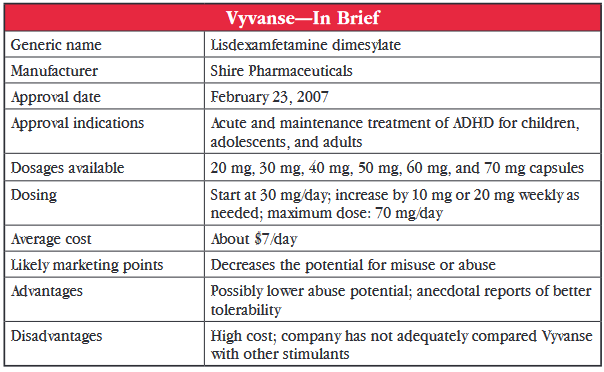
If you’ve Googled “Vyvanse dosage,” you’ve probably come across a wide range of numbers. vyvanse dosage in several strengths, and at first glance, that can feel overwhelming. But “dosage” isn’t just the number on the label—it’s a combination of factors that make the medication safe and effective for each individual.
Vyvanse dosage reflects how your body processes medication
Everyone metabolizes stimulants differently. One person may feel perfectly balanced on a lower dose, while someone else may need a higher one to get the same therapeutic effect. This isn’t because one person’s ADHD is “worse” than another’s—it often comes down to how the liver breaks down the medication, how the brain responds to stimulants, and even how sensitive the person is to side effects.
Dosage decisions are gradual, not instant
Most people don’t start on the number they’ll eventually stay on. Instead, healthcare providers usually begin with a low dose and increase it only as needed. This slow build allows the brain to adapt while minimizing uncomfortable side effects. It also gives time to observe how long the medication lasts, how it affects focus and mood, and whether it’s interfering with sleep or appetite.
The right dosage helps maintain a smooth daily rhythm
Unlike some other medications, vyvanse dosage is designed to release gradually over the day. A good dose feels like your brain has a steady stream of clarity. People often describe it as “leveling out,” “feeling more organized,” or “being able to actually finish things.”
A dosage that’s too low may not feel like anything at all. A dosage that’s too high might feel overwhelming or make you feel unlike yourself. Finding the balance is the entire goal.
How Healthcare Providers Decide the Right Vyvanse Dosage
The question most people want answered is: “How do doctors know what dose I should take?” The reality is that choosing a Vyvanse dosage is a careful, step-by-step process. Providers rely on guidelines, clinical experience, and your feedback—not guesswork.
They start by looking at your diagnosis and symptoms
vyvanse dosage is approved for two main conditions: ADHD and binge-eating disorder. Even within these categories, symptoms vary dramatically. Someone struggling mainly with inattention may need a different approach than someone dealing with impulsivity or hyperactivity.
For BED, providers might focus more on how the medication affects appetite regulation and compulsive eating cycles rather than how well it enhances focus.
Your age, weight, and overall health play a role
While weight itself doesn’t directly determine the dose, overall health absolutely does. Providers consider things like heart health, sleep patterns, and history with stimulants. Someone who’s new to ADHD medication will likely start on the lowest dose to see how their body responds.
Children and adults are also treated differently—not because the medication is weaker or stronger for one group, but because their neurological development and sensitivity to stimulants vary.
They adjust based on your real-life feedback
This part is often an overlooked but essential piece of dosing. Over the first few weeks, healthcare providers pay attention to:
How long the medication lasts for you
Whether it wears off too quickly
How your sleep and appetite change
Whether it improves concentration and task completion
Any emotional or physical side effects
People often don’t realize how personalized this part of the process is. Two people with nearly identical symptoms can end up on different doses simply because their bodies respond differently.
Why Vyvanse Dosage Can Feel Different From Other ADHD Medications
If you’ve taken other ADHD medications—especially immediate-release stimulants—you might notice that vyvanse dosage feels unique. That’s because it is. vyvanse dosage isn’t active until your body converts it, which makes the dosage experience quite different from pill-based stimulants.
It’s a prodrug, meaning it activates slowly and smoothly
vyvanse dosage’t kick in instantly. Your body has to break it down into its active form, which is why its effects tend to come on gently rather than abruptly. This is part of what makes the dosing experience less “jittery” than some short-acting stimulants.
The dosage influences duration more than intensity
Many people assume that higher doses mean a more intense effect. With Vyvanse, what actually changes more noticeably is how long the effects last. A dose that’s too low may wear off by early afternoon. A well-matched dose should last most of the day without major crashes.
It’s less prone to rapid spikes or drops
Because of its gradual activation, vyvanse dosage creates a smoother arc of effectiveness. The dosage is designed to provide steady clarity and self-control rather than a sharp boost of stimulation. For many people, this leads to fewer emotional ups and downs.
Factors That Influence How a Vyvanse Dosage Feels
Even once you find the dose that works, you may notice that some days feel slightly different. You’re not imagining it—many factors can influence how your body processes your dosage.
Sleep makes a massive difference
Poor sleep can make a normal dose feel weaker. On the flip side, being overtired can exaggerate side effects like irritability or restlessness. Stimulants interact closely with your natural energy cycles, so inconsistent sleep can throw off your medication rhythm.
Food affects absorption more than people realize
vyvanse dosage require you to take it on a full or empty stomach, but taking it with large, high-fat meals may slightly change how quickly it activates. That’s why some people feel the dose differently depending on what they ate that morning.
Stress and hormones also play a role
Your body’s stress responses can make a dose feel stronger, weaker, or more unpredictable. Hormonal fluctuations—especially in women—can have a noticeable impact as well. It’s not uncommon for people to feel small differences in effectiveness during certain parts of the menstrual cycle.
When Dose Adjustments Happen and What They Usually Mean
Even after finding a good fit, it’s normal for healthcare providers to revisit your Vyvanse dosage from time to time. This isn’t a sign that the medication isn’t working—it simply reflects how bodies change over time.
You may need small adjustments as life situations change
Shifts in routine, stress levels, workload, or sleep patterns can all require dosage reevaluation.
Starting a new job, returning to school, or juggling new responsibilities might influence how much support your brain needs.
Side effects can indicate that the dose isn’t quite right
If you experience things like appetite loss, irritability, or trouble sleeping, it could suggest the dose is either too high or timed poorly. Adjustments help bring things back into balance, not disrupt progress.
Growing teens often need different doses over time
For younger users, dosage changes are expected during growth spurts or changes in metabolism. This is completely normal and part of healthy medical management.
Final Thoughts: Vyvanse Dosage Is a Process, Not a Number
Understanding Vyvanse dosage isn’t about memorizing milligram amounts—it’s about recognizing that every person’s brain and body function differently. The “perfect” dosage is the one that helps you feel balanced, focused, and in control without disrupting your daily life. And reaching that point takes patience, communication, and gradual adjustments.
When the dosage is right, vyvanse dosage becomes less about “feeling medicated” and more about feeling like your most capable, organized self. Whether you’re managing ADHD, navigating binge-eating disorder treatment, or exploring stimulant medication for the first time, remember that the process is meant to be individualized and supportive—not rushed or one-size-fits-all.
If you ever consider starting or adjusting Vyvanse, always do so under the guidance of a qualified healthcare provider. The journey to finding the right balance is worth it—and once you get there, the difference can be life-changing
you may also read