Introduction: Why Empire Magazine Still Dominates the Entertainment World
Empire Magazine When people talk about film magazines, Empire Magazine often comes up as the gold standard—and honestly, it’s not hard to understand why. Since its launch in 1989, Empire Magazine has built a reputation for blending serious movie journalism with a fun, fan-friendly tone that never feels dry or academic. It’s one of those rare publications that appeals to casual moviegoers, hardcore cinephiles, and even filmmakers themselves. In a constantly changing media landscape, Empire has remained surprisingly influential, continuing to shape film conversations across the globe.
Part of the Empire Magazine charm lies in its ability to speak the language of fans while maintaining professional insight. It doesn’t position itself above the reader. Instead, it reads like that one friend who knows everything about movies—box office facts, behind-the-scenes stories, critical context—but never makes you feel out of place. It’s as comfortable breaking down the visual effects in Avatar as it is ranking the best movie villains of all time. That balance gives Empire Magazine Empire a unique voice in entertainment journalism.
Even decades after its inception, Empire Magazine remains a staple in Hollywood, film festivals, and industry circles. Directors like Quentin Tarantino, Christopher Nolan, and Peter Jackson have praised it. Fans still eagerly await its iconic covers, long-form interviews, and those massive “Top 100” lists that always spark debate. In an era where digital content dominates, Empire Magazinecontinues to stand strong by constantly adapting without compromising its identity.
The Origins and Evolution of Empire Magazine
How Empire Magazine Started and Made Its Mark
Empire Magazine launched during a time when film magazines were either too academic or purely gossip-driven. Empire Magazinefound its sweet spot somewhere in the middle. It didn’t shy away from deep analysis, but it also didn’t forget that movies are supposed to be fun. From its early issues, the magazine built a reputation for long, honest interviews with major actors and directors, giving readers access to Hollywood in a way that felt personal and authentic.
From the beginning, Empire Magazine embraced a bold editorial style. It wasn’t afraid to critique big studios, but it also celebrated blockbuster cinema. Unlike many publications that leaned heavily toward indie and arthouse films, Empire proudly covered everything—from Spielberg’s tentpoles to experimental debuts. This balanced approach helped the publication appeal to the full spectrum of movie lovers.
Over time, Empire became a trusted voice in film culture. Its reviews carried weight, its features shaped trends, and its exclusive coverage made headlines worldwide. The magazine’s editorial philosophy remained consistent: respect the art of filmmaking while never losing sight of the joy of watching movies. That philosophy set Empire Magazine apart from competitors and allowed it to evolve gracefully in the digital age.
Empire Magazine Expansion Into Global Influence
While Empire Magazine started in the UK, it quickly became a global brand. International editions appeared in countries like Australia, Russia, and Portugal, spreading the magazine’s unique voice and high editorial standards. The global expansion wasn’t just about translating content; it was about adapting to different markets, showcasing local filmmakers, and connecting international film communities.
This global reach gave Empire Magazine a massive advantage. Instead of covering Hollywood in isolation, the magazine developed a broader view of cinema. It explored Asian cinema trends, featured European indie directors, and highlighted rising stars from emerging film industries. This diversity of perspective helped Empire stay relevant and appealing to readers around the world.
Even as print circulation changed, Empire Magazine global audience remained strong, thanks partly to its digital presence. The magazine successfully expanded into podcasts, social media, and video content. Each adaptation felt natural, not forced, because the magazine always knew what its readers wanted: insightful, entertaining storytelling about movies.
Why Empire Magazine Became a Film Industry Powerhouse
Exclusive Interviews and Behind-the-Scenes Access
One of the biggest reasons Empire Magazine continues to thrive is its unmatched access to Hollywood. The magazine is known for landing interviews with the biggest names in the industry—Steven Spielberg, Quentin Tarantino, Ridley Scott, James Cameron, and countless others. These aren’t surface-level interviews filled with canned studio responses; they’re thoughtful, in-depth conversations that explore filmmaking at a conceptual level.
Empire Magazine editorial team has a knack for getting directors and actors to open up. They ask the right questions—questions that filmmakers genuinely enjoy answering. As a result, Empire readers often get insights they won’t find anywhere else, including behind-the-scenes stories, early concept art, and production details that other outlets don’t have access to.
These exclusive stories give the magazine incredible credibility. People in the film industry take Empire Magazine seriously because they know the journalists understand filmmaking. That mutual respect has created partnerships and collaborations that most entertainment publications can only dream of.
Iconic Covers That Became Collectors’ Items
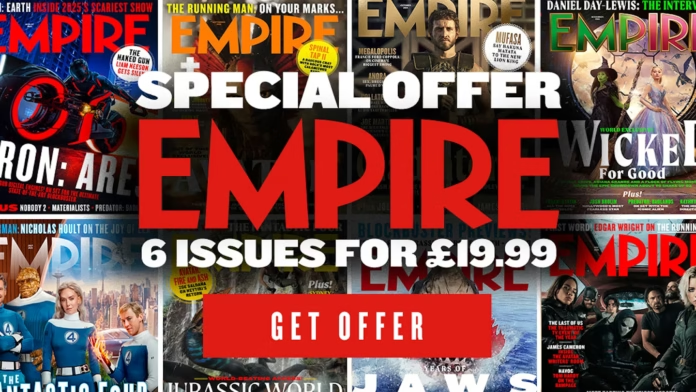
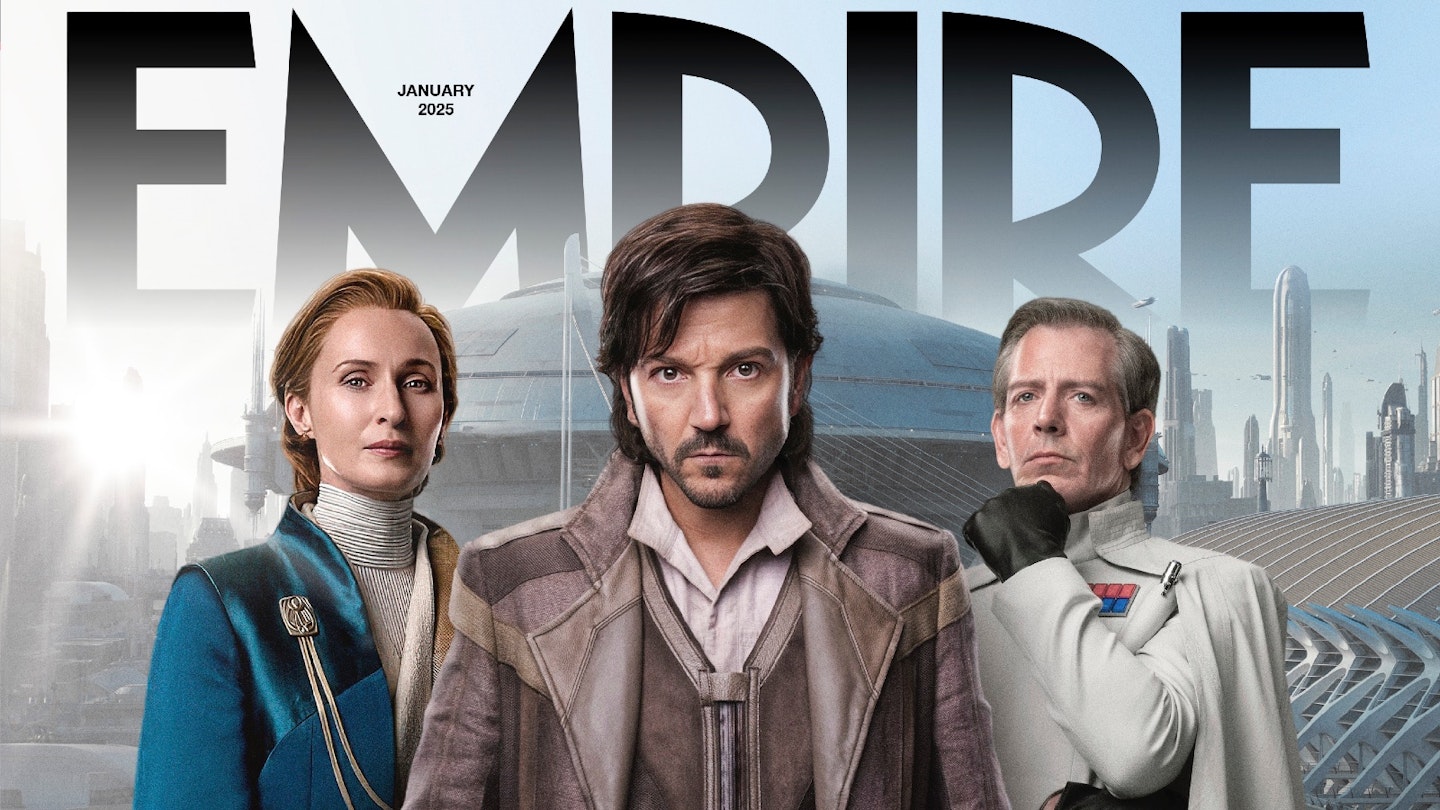
Empire Magazine’s covers are practically pop-culture artifacts. Whether it’s a glossy portrait of Batman, an exclusive reveal of a Marvel character, or a striking image from a new sci-fi epic, Empire Magazine covers always feel cinematic. Fans collect them, frame them, and trade them like memorabilia. The covers are bold, stylish, and instantly recognizable.
What makes the covers special is that they often include first-look exclusives. Studios trust Empire enough to give them images that haven’t been released anywhere else. When a new superhero movie or blockbuster is on the horizon, fans know Empire will likely be the first to showcase it. That anticipation keeps the magazine culturally relevant.
The design team deserves credit, too. Empire’s covers are clean, modern, and intentionally dramatic. They grab your attention without clutter or unnecessary text. It’s artful marketing––a blend of aesthetic appeal and strategic storytelling that keeps fans coming back for more.
Influential Lists and Reviews That Shape Film Culture
Empire is known for its massive lists—Top 100 Movies, Best Characters, Greatest Directors, and so on. These lists always create conversations, debates, and sometimes arguments among fans. And that’s exactly the point. Empire knows how to spark engagement without being shallow.
Their movie reviews are equally influential. Balanced, well-written, and grounded in solid film knowledge, Empire’s reviews are respected by both fans and filmmakers. Unlike some outlets that prioritize hot takes, Empire values context and craft.
Over the years, the magazine has helped boost smaller films, spotlight new directors, and celebrate innovative storytelling. When Empire gives a movie high praise, people pay attention.
Empire Magazine in the Digital Age
How Empire Stayed Relevant When Print Media Declined
While many print magazines struggled in the 2010s, Empire adapted quickly. Instead of resisting digital transformation, the magazine embraced it. The team launched a comprehensive website, expanded into social platforms, and adopted multimedia formats without diluting the brand’s identity.
Empire’s digital strategy focused on quality over quantity. Their online articles retained the same voice and depth as the print edition, ensuring readers didn’t feel like they were getting a watered-down experience. This consistency helped the brand maintain loyalty even as consumer behavior shifted online.
Podcasts also became a major part of Empire’s evolution. The Empire Podcast is beloved for its humor, honesty, and deep-cut film analysis. It’s a perfect example of how Empire expanded into new territories without losing its personality.
Blending Traditional Journalism With Modern Entertainment Culture
Another reason Empire flourished in the digital era is its ability to adapt tone and format. The magazine widened its coverage to include streaming entertainment, TV series, and even gaming—but always through the lens of cinematic storytelling. That consistency kept the brand strong even as the definition of “movie culture” expanded.
Empire also tapped into the social media ecosystem, creating sharable content like rankings, video snippets, behind-the-scenes trivia, and exclusive previews. While many outlets struggled to find their voice online, Empire maintained its established personality, blending reliability with a conversational tone.
This blend of traditional credibility and modern accessibility has helped Empire remain one of the most trusted voices in entertainment journalism today.
Conclusion: The Enduring Legacy of Empire Magazine
Even as the entertainment world transforms faster than ever, Empire Magazine remains a timeless force. It’s more than a publication—it’s a community, a cultural reference point, and a trusted guide for anyone who loves movies. Its editorial style, its access to Hollywood, and its authentic passion for storytelling make it stand out in a crowded media landscape.
Whether you’re flipping through the print edition, scrolling the website, or listening to the podcast, one thing is clear: Empire Magazine speaks to movie lovers in a way that never feels outdated. Its legacy continues to grow, proving that when journalism is done with passion, insight, and respect for the audience, it can stand the test of time