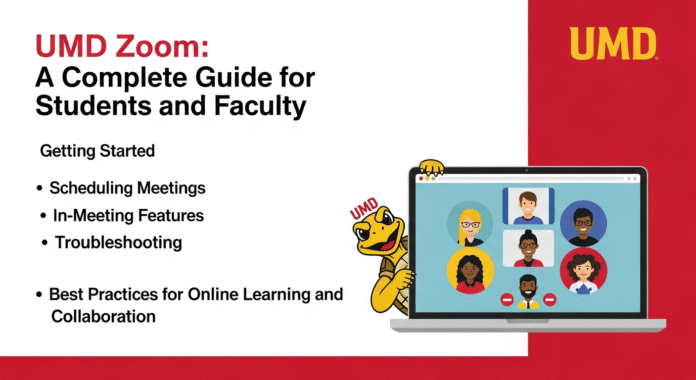
The University of Maryland (UMD) has embraced modern technology to enhance learning, collaboration, and communication. One of the key tools facilitating this transformation is UMD Zoom. This platform allows students, faculty, and staff to engage in virtual classes, meetings, and collaborative sessions efficiently. In this article, we will explore everything you need to know about UMD Zoom, its features, benefits, and tips for effective usage.
What is UMD Zoom
UMD Zoom is a version of the Zoom video conferencing platform specifically integrated with the University of Maryland’s digital ecosystem. Zoom itself is a popular tool for video meetings, webinars, and online collaboration. The university provides a UMD-specific Zoom account for students, faculty, and staff to support academic activities.
The integration allows seamless access to courses, virtual office hours, and campus events. Through UMD Zoom, users can schedule meetings, join classes, record sessions, and collaborate in real time. The platform is accessible via web browsers, desktop applications, and mobile devices, making it highly versatile for users with different needs.
How to Access UMD Zoom
Accessing UMD Zoom is straightforward. To get started, users need a University of Maryland login credentials. Here’s a simple step-by-step process:
- Visit the official UMD Zoom webpage.
- Click on the login button.
- Sign in using your University of Maryland credentials.
Once logged in, students and faculty can schedule meetings, join ongoing sessions, and manage their Zoom profile. UMD Zoom also integrates with the university’s learning management system (LMS), making it easier to access course-related sessions directly from the LMS platform.
Features of UMD Zoom
UMD Zoom comes equipped with numerous features designed to enhance learning and collaboration. Some of the key features include:
- Video and Audio Conferencing: High-quality video and audio for online classes, seminars, and meetings.
- Screen Sharing: Users can share their screens to present documents, slides, or other materials.
- Breakout Rooms: Facilitates smaller group discussions during classes or meetings.
- Recording and Cloud Storage: Sessions can be recorded for future reference, with storage options available in the cloud.
- Chat Functionality: Enables real-time messaging during meetings, allowing participants to ask questions or share resources.
- Integration with LMS: Direct access to scheduled Zoom classes from the university’s learning management system.
These features make UMD Zoom not just a meeting tool but a comprehensive platform for academic communication and collaboration.
Benefits of Using UMD Zoom
UMD Zoom provides multiple benefits to both students and faculty.
For students, Zoom allows attending classes remotely, making learning accessible from anywhere. This is especially useful for students who cannot attend campus due to health, travel, or scheduling conflicts. Zoom also provides the option to record sessions, so students can revisit lectures and study at their own pace.
Faculty members benefit from the ability to host virtual office hours, record lectures, and manage large classes efficiently. The platform also supports interactive teaching through polls, Q&A sessions, and collaborative whiteboards. By using Zoom, instructors can maintain high levels of engagement even in online or hybrid learning environments.
Tips for Effective Use of UMD Zoom
To get the most out of UMD Zoom, users should consider several best practices.
- Test Your Equipment: Ensure that your microphone, camera, and internet connection are working before joining a session.
- Use a Professional Background: Choose a neutral or professional background to minimize distractions.
- Mute When Not Speaking: This helps reduce background noise and ensures clear communication.
- Engage with Features: Utilize polls, chat, and reactions to stay interactive during sessions.
- Record Sessions Carefully: Always notify participants if a session is being recorded, respecting privacy and university policies.
Following these tips can make virtual learning and meetings more productive and enjoyable.
UMD Zoom for Remote Learning
One of the main purposes of UMD Zoom is to support remote learning. Whether due to distance, health concerns, or flexible scheduling, students can attend lectures, seminars, and group projects virtually. The platform’s breakout rooms are particularly useful for small group assignments, enabling collaboration even when participants are not physically present.
Additionally, faculty can track attendance, participation, and engagement during virtual classes. UMD Zoom’s recording feature allows students to review complex topics multiple times, enhancing understanding and retention.
Security and Privacy on UMD Zoom
University of Maryland takes security and privacy seriously, and UMD Zoom reflects this commitment. The platform uses encryption to protect video and audio data. Faculty and students are encouraged to use secure passwords for meetings and to enable waiting rooms for added security.
UMD also provides guidelines to ensure that sensitive information shared during sessions remains confidential. Users should follow these guidelines to prevent unauthorized access and maintain a safe digital learning environment.
UMD Zoom vs Personal Zoom Accounts
While personal Zoom accounts offer similar features, UMD Zoom provides specific advantages tailored for the university environment. These include integration with the learning management system, access to cloud storage for recorded lectures, and administrative support from the university IT team.
Students and faculty are encouraged to use UMD Zoom for official academic activities to benefit from these additional features and ensure compliance with university policies.
Common Challenges and How to Overcome Them
Like any technology, UMD Zoom can have challenges. Common issues include connectivity problems, audio or video glitches, and difficulty accessing recorded sessions.
To overcome these challenges:
- Ensure a stable internet connection.
- Keep Zoom software updated to the latest version.
- Restart devices if performance issues occur.
- Contact UMD IT support for persistent problems.
Being proactive can prevent disruptions and improve the overall Zoom experience.
Future of UMD Zoom
UMD Zoom continues to evolve as part of the university’s digital transformation strategy. Future updates may include enhanced AI-based features, better integration with other academic tools, and improved accessibility options. As technology advances, Zoom is likely to play an increasingly central role in hybrid learning and online collaboration at UMD.
Conclusion
UMD Zoom has become an essential tool for students, faculty, and staff at the University of Maryland. It provides a versatile platform for virtual learning, collaboration, and communication. By understanding its features, benefits, and best practices, users can maximize the value of UMD Zoom for academic success. Whether attending lectures, participating in group projects, or hosting meetings, UMD Zoom ensures that learning continues seamlessly in a digital environment.
Frequently Asked Questions (FAQs)
What is UMD Zoom?
UMD Zoom is the University of Maryland’s version of the Zoom video conferencing platform, designed for students, faculty, and staff to conduct virtual classes, meetings, and collaboration.
How do I access UMD Zoom?
You can access UMD Zoom by visiting the UMD Zoom website and logging in with your university credentials.
Can I record my UMD Zoom classes?
Yes, UMD Zoom allows users to record sessions, which can be saved to cloud storage for later review.
Is UMD Zoom secure?
Yes, UMD Zoom uses encryption and security protocols to protect meetings. Users are encouraged to use strong passwords and waiting rooms for added security.
Can I use a personal Zoom account for UMD classes?
While you can, it is recommended to use UMD Zoom for academic purposes to benefit from university integrations, support, and compliance with policies.