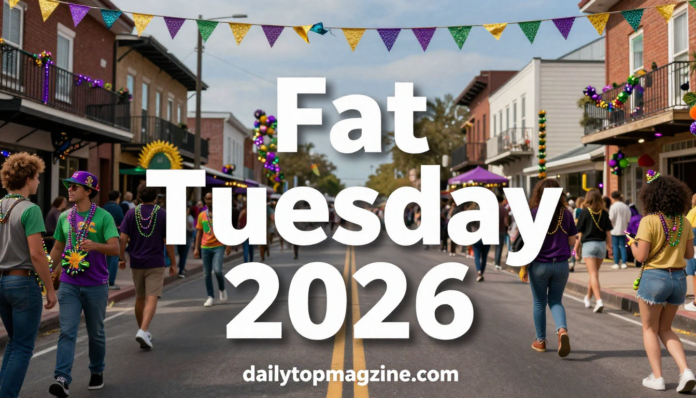
Fat Tuesday, also known as Mardi Gras, is one of the most vibrant and celebrated events worldwide. Falling on a different date each year, Fat Tuesday 2026 promises another unforgettable celebration filled with parades, music, and rich traditions. As the final day before Ash Wednesday, it marks the culmination of the Carnival season, a time of indulgence and festivity before the Lenten season begins.
Mardi Gras, which translates to “Fat Tuesday” in French, has deep historical and cultural roots. Its origins can be traced back to medieval Europe, specifically to France, where the practice of feasting before the fasting season of Lent became a popular tradition. French settlers brought the celebration to the United States, particularly to Louisiana, where it evolved into the modern festivities of New Orleans, famous for its lively parades, elaborate costumes, and intricate masks.
In 2026, Fat Tuesday will be observed on February 17, giving participants plenty of time to prepare for one of the most exhilarating events of the year. Whether you’re a local resident or a visitor planning a trip to enjoy the celebrations, understanding the customs, history, and activities associated with Fat Tuesday can enhance your experience.
History of Fat Tuesday
The history of Fat Tuesday is a blend of religious and cultural traditions. Originally, it was a day to indulge in rich foods such as meats, fats, and sweets, which were traditionally avoided during the Lenten period. Over time, this indulgence evolved into a larger celebration, including masquerade balls, street parties, and public parades.
In the United States, New Orleans became the epicenter of Fat Tuesday celebrations, with the first recorded Mardi Gras parade taking place in the early 19th century. Today, the event attracts thousands of visitors from around the world who come to experience its unique combination of pageantry, music, and cuisine.
Key Traditions of Fat Tuesday 2026
Mardi Gras is renowned for its traditions, many of which will be celebrated in 2026. One of the most iconic is the wearing of elaborate masks and costumes, allowing revelers to embody different characters and enjoy a sense of anonymity during the festivities. Parades organized by social clubs, known as krewes, feature themed floats, marching bands, and performers who toss beads and trinkets into the crowd.
King cakes are another essential part of Fat Tuesday celebrations. This sweet pastry, often decorated in the traditional colors of purple, green, and gold, contains a hidden figurine. The person who finds the figurine is expected to host the next party or provide the next cake, continuing the festive cycle. Music, particularly jazz and brass bands, fills the streets, creating an atmosphere of joyous celebration.
Popular Fat Tuesday 2026 Destinations
New Orleans is, without a doubt, the most famous destination for Fat Tuesday. The city’s French Quarter comes alive with parades, street performances, and local cuisine. Visitors can enjoy famous dishes such as gumbo, jambalaya, and beignets while participating in the festive atmosphere.
Other U.S. cities also celebrate Fat Tuesday with varying degrees of enthusiasm. Mobile, Alabama, claims to have the oldest Mardi Gras celebration in the country, with its own unique parades and traditions. In St. Louis, Missouri, and San Diego, California, Fat Tuesday events often include family-friendly activities alongside adult-oriented festivities.
Internationally, cities such as Rio de Janeiro in Brazil, Venice in Italy, and Nice in France host grand Carnival celebrations that coincide with Fat Tuesday. Each location offers unique cultural elements while maintaining the spirit of indulgence and festivity.
Fat Tuesday 2026 Food Traditions
Food is at the heart of Fat Tuesday celebrations. Rich, indulgent dishes are traditionally consumed before the Lenten fast begins. In New Orleans, King Cake, beignets, and pralines are popular sweets, while savory options include gumbo, crawfish étouffée, and jambalaya. These dishes not only provide a taste of local culture but also continue the historical tradition of indulging in rich foods before Lent.
Street vendors, restaurants, and private homes often serve these dishes, making food an integral part of both public and private celebrations. In many cases, special recipes are passed down through generations, preserving the culinary heritage associated with Fat Tuesday.
Fat Tuesday 2026 Events and Parades
The parades are the highlight of Fat Tuesday. In New Orleans, the celebrations begin weeks in advance, with various krewes hosting themed parades throughout the city. The floats are often adorned with elaborate decorations, reflecting local art, history, and humor. Parade-goers eagerly await the tossing of beads, coins, and small gifts, a tradition that adds excitement and interaction to the experience.
Live music is omnipresent, with brass bands, jazz ensembles, and street performers entertaining crowds. Public events are often complemented by private parties and masquerade balls, ensuring that there is something for everyone during the Fat Tuesday festivities.
Cultural Significance of Fat Tuesday
Beyond the fun and revelry, Fat Tuesday carries cultural and religious significance. It represents a time to enjoy abundance and community before the solemn period of Lent begins. In religious communities, it serves as a reminder of reflection, sacrifice, and preparation.
Culturally, Fat Tuesday has become a symbol of local identity, particularly in places like New Orleans, where it reflects the city’s history, diversity, and resilience. The celebration brings together people from different backgrounds, fostering a sense of unity and shared enjoyment.
How to Celebrate Fat Tuesday 2026
Celebrating Fat Tuesday 2026 can take many forms. For those attending parades, planning ahead is essential to secure accommodations and prime viewing spots. Dressing up in traditional costumes and masks enhances the experience, allowing participants to fully engage in the festive atmosphere.
For those celebrating at home, hosting a King Cake party or preparing traditional dishes can bring the spirit of Fat Tuesday to personal gatherings. Virtual events and online streams of parades are also increasingly popular, allowing global audiences to join the celebrations.
Fat Tuesday 2026 Tips for Visitors
Planning a visit to Fat Tuesday events in 2026 requires careful consideration. Accommodations should be booked well in advance due to the influx of tourists. Safety is also important, particularly in crowded areas during parades. Participating respectfully in cultural traditions and being mindful of local customs ensures a positive experience.
Exploring local cuisine, engaging with performers and artists, and attending both public and private events can provide a deeper understanding of the celebration. Whether in New Orleans or elsewhere, preparation allows visitors to fully enjoy the vibrant atmosphere of Fat Tuesday.
Fat Tuesday 2026 Sustainability Efforts
In recent years, sustainability has become an important focus for Fat Tuesday celebrations. Cities like New Orleans are implementing eco-friendly initiatives such as reducing single-use plastics, promoting recycling during parades, and encouraging environmentally conscious event planning.
These efforts aim to maintain the cultural vibrancy of Fat Tuesday while minimizing the environmental impact, ensuring that future generations can continue to enjoy this historic celebration.
Conclusion
Fat Tuesday 2026 promises to be an exciting, colorful, and culturally rich event that honors centuries of tradition. From New Orleans to global Carnival destinations, it offers a unique opportunity to enjoy music, food, parades, and community. Whether you participate in large-scale events or smaller local celebrations, understanding the history, traditions, and tips for celebrating can enhance your experience. Fat Tuesday is not just about indulgence; it’s about community, heritage, and the joy of coming together to celebrate life before the reflective season of Lent begins.
FAQs About Fat Tuesday 2026
1. When is Fat Tuesday 2026?
Fat Tuesday 2026 will be observed on February 17.
2. What is the significance of Fat Tuesday?
It marks the last day before Lent, traditionally a period of indulgence and festivity before the solemn season of fasting and reflection begins.
3. Where are the best places to celebrate Fat Tuesday 2026?
New Orleans, Louisiana, is the most famous destination. Other U.S. cities like Mobile and St. Louis, as well as international locations such as Rio de Janeiro and Venice, also host notable celebrations.
4. What foods are traditionally eaten on Fat Tuesday?
Traditional foods include King Cake, beignets, gumbo, jambalaya, and other rich, indulgent dishes that reflect local culture.
5. How can visitors best enjoy Fat Tuesday 2026?
Plan ahead, dress in festive costumes, attend parades, try local cuisine, and participate in cultural traditions while being respectful of local customs.