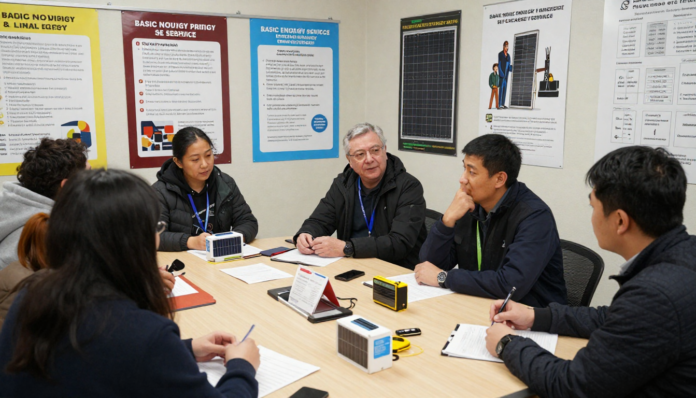
Energy is the lifeblood of modern society. From lighting homes to powering industries, it fuels economic development, enhances health outcomes, and supports education. However, millions of people worldwide still lack access to reliable and affordable energy. This is where basic energy services become essential. These services encompass the provision of electricity, clean cooking solutions, and other essential energy forms that support daily life. Understanding the role, benefits, and challenges of basic energy services is critical for sustainable development and improving quality of life for underserved communities.
What Are Basic Energy Services
Basic energy services refer to the minimum energy access required to meet the essential needs of households, communities, and small-scale enterprises. These services go beyond just supplying electricity; they include energy for cooking, heating, lighting, water pumping, and small-scale productive activities. Access to basic energy services is vital for poverty alleviation, enhancing health, improving education, and promoting gender equality.
Providing these services often requires both infrastructure and policy interventions. In rural areas, for example, decentralized solutions such as solar home systems or mini-grids are often more feasible than large-scale grid expansion. In urban slums, efficient and affordable cooking solutions can significantly reduce indoor air pollution and improve health outcomes.
Importance of Basic Energy Services
Access to basic energy services is a cornerstone of sustainable development. Without it, communities face limitations in education, healthcare, and economic opportunities. Reliable energy enables schools to operate after dark, hospitals to run critical equipment, and small businesses to thrive. It also reduces the reliance on traditional fuels such as firewood or kerosene, which are harmful to both human health and the environment.
Energy access is particularly crucial for women and children. In many developing regions, women spend hours collecting firewood or other fuels, limiting their time for education, employment, and leisure. By providing clean and reliable energy, communities can significantly improve productivity and overall well-being.
Forms of Basic Energy Services
Basic energy services can take multiple forms, each addressing specific needs:
Electricity Access
Electricity is the most versatile form of energy. It powers lighting, heating, communication devices, and small appliances. For households, access to electricity means safer homes, reduced reliance on kerosene lamps, and improved opportunities for education and entertainment.
Clean Cooking Solutions
Traditional cooking methods using solid fuels produce harmful smoke and are linked to respiratory diseases. Clean cooking solutions, such as LPG stoves, biogas systems, and improved cookstoves, provide safer and more efficient alternatives. This not only improves health but also reduces environmental degradation.
Heating and Cooling
Energy services also include heating and cooling solutions, which are essential in regions with extreme climates. Basic heating and cooling can prevent health risks associated with temperature extremes and improve comfort, productivity, and quality of life.
Water Pumping and Irrigation
For rural communities, access to energy for water pumping and irrigation can significantly enhance agricultural productivity. Reliable energy allows farmers to cultivate more land, reduce labor, and improve food security.
Small-Scale Productive Uses
Energy can support small businesses by powering tools, refrigeration, or manufacturing equipment. This encourages entrepreneurship and economic growth in underserved areas, contributing to overall community development.
Challenges in Providing Basic Energy Services
Despite its importance, providing basic energy services faces several challenges:
Infrastructure Limitations
Many rural and remote areas lack the infrastructure to deliver energy services efficiently. Building electricity grids or installing solar systems requires significant investment and technical expertise.
Affordability
Even where energy services are available, high costs can prevent households from accessing them. Subsidies and innovative financing models are essential to make energy affordable for low-income populations.
Policy and Governance
Effective policies, regulation, and governance are necessary to ensure sustainable energy access. Inconsistent policies or lack of government support can hinder the expansion of energy services.
Environmental Considerations
While energy is vital, it is essential to adopt environmentally friendly solutions. Over-reliance on fossil fuels can lead to pollution and contribute to climate change. Renewable energy solutions, such as solar, wind, and biogas, offer sustainable alternatives.
Cultural and Behavioral Factors
In some communities, traditional practices may influence energy usage. Introducing new energy solutions requires education, awareness, and community engagement to ensure adoption.
Strategies for Expanding Basic Energy Services
Expanding access to basic energy services requires a combination of technology, policy, and community engagement:
Decentralized Energy Systems
Solar home systems, mini-grids, and community-based energy projects can provide electricity to remote areas where grid expansion is impractical.
Public-Private Partnerships
Collaboration between governments, NGOs, and private companies can leverage resources and expertise to deliver affordable energy solutions.
Innovative Financing
Microfinance, pay-as-you-go systems, and subsidies can make energy solutions more accessible to low-income households.
Capacity Building and Education
Training local communities to maintain and operate energy systems ensures long-term sustainability and empowers residents.
Integration with Development Goals
Energy access should be integrated with broader development initiatives, such as health, education, and economic empowerment programs, to maximize impact.
Conclusion
Basic energy services are not just about powering homes; they are about empowering communities. Reliable, affordable, and clean energy improves health, education, economic opportunities, and environmental sustainability. Despite challenges, innovative solutions and collaborative efforts are bridging the energy access gap. Expanding these services is critical to achieving equitable development and improving the lives of millions worldwide. Ensuring access to basic energy services is a moral, economic, and environmental imperative for a sustainable future.
FAQs
What qualifies as basic energy services?
Basic energy services include electricity, clean cooking, heating, water pumping, and energy for small-scale productive activities that meet essential household and community needs.
Why are basic energy services important for development?
Access to energy improves education, health, economic opportunities, gender equality, and overall quality of life, making it a key driver of sustainable development.
How can remote communities access energy?
Remote areas often rely on decentralized energy systems like solar home systems, mini-grids, and micro-hydro solutions to provide reliable electricity.
What are clean cooking solutions?
Clean cooking solutions include LPG stoves, improved biomass stoves, and biogas systems that reduce harmful smoke, improve health, and conserve the environment.
What challenges exist in providing basic energy services?
Challenges include infrastructure limitations, affordability, policy and governance issues, environmental concerns, and cultural factors influencing energy adoption.