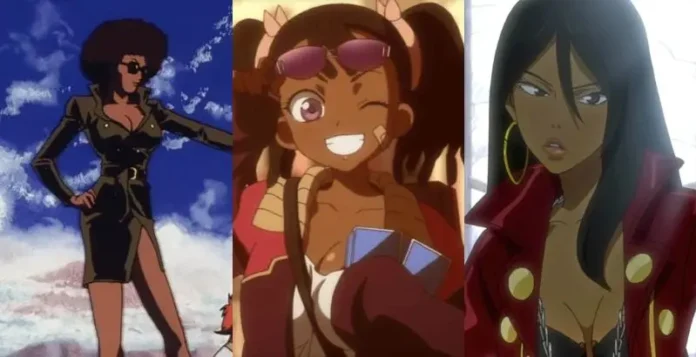
black female anime characters Anime has come a long way from the days when only a handful of character designs dominated the screen. As the global audience has expanded, so has the desire for representation, authenticity, and characters who reflect the diverse communities that love the medium. Among the most celebrated forms of this developing diversity is the rise of Black female anime characters—complex, powerful, stylish, and inspiring figures who bring something fresh to the anime world. Their presence not only matters socially, but it also enriches storytelling and redefines what audiences can expect from anime.
In this article, we’ll take a deep, thoughtful, and slightly casual look at the evolution of Black female anime characters, why they matter, popular examples across different genres, and how the anime industry continues to grow in the journey toward genuine representation.
Why Black Female Anime Characters Matter More Than Ever
Anime is a global phenomenon, and with a global audience comes a global expectation for representation. Black female anime characters matter because they expand the emotional and cultural canvas of storytelling. For decades, fans of color—especially Black women—loved anime but rarely saw characters on-screen who resembled them. The inclusion of Black women in anime today isn’t just about visuals; it’s about validation, belonging, and narrative richness.
The truth is, representation impacts how people see themselves. When Black women see characters who share their skin tone, cultural features, or even hairstyles, it becomes easier to feel connected to the world they are watching. Instead of feeling like observers, they get to feel like participants. It also allows young viewers to grow up knowing that the world of animation is not reserved for a single type of character. Representation helps kids—and adults—form a healthier relationship with media.
On the storytelling side, Black female anime characters also free writers and artists to explore new cultural influences, new designs, and new inspirations. From African mythology to Afro-futuristic themes, creators now have fresh perspectives to weave into their work. These characters expand anime’s creative potential and make the medium more inclusive, richer, and more exciting.
Iconic Black Female Anime Characters Who Changed the Game
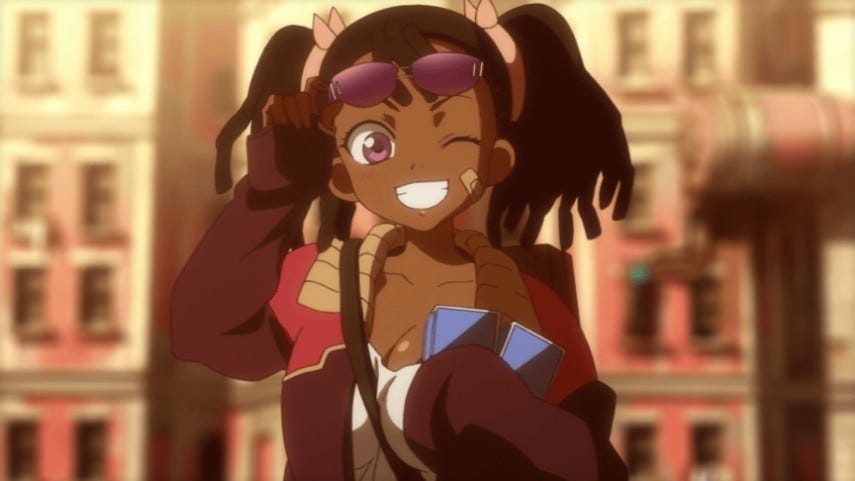
black female anime characters When we think about Black female anime characters, a few iconic names instantly come to mind. These characters didn’t just exist—they left a mark. They influenced fandoms, inspired cosplayers, and became symbols of power, beauty, and uniqueness in anime.
One of the most recognizable examples is Yoruichi Shihōin from Bleach. Yoruichi is a masterclass in character design: confident, witty, deadly skilled, and undeniably stylish. She broke stereotypes by being a highly respected mentor figure, a powerful warrior, and an effortlessly charismatic presence. For many fans, Yoruichi was their first introduction to a Black woman in anime who wasn’t a background character but a major force in the story.
Another standout is Canary from Hunter x Hunter. Although young, Canary embodies loyalty, strength, and emotional depth. She’s small in screen time but huge in impact. Fans immediately gravitated toward her strong sense of justice and her quietly powerful demeanor. Canary’s character is proof that even limited appearances can leave a permanent impression when written with heart.
Then there’s Michiko Malandro from Michiko & Hatchin, one of the most authentically diverse anime ever created. Michiko is fierce, stylish, complicated, and beautifully flawed. She doesn’t fit into the neat “hero” box—she’s rebellious, passionate, and unpredictable. And that realness is exactly what made her unforgettable. Michiko’s character design is unapologetically Afro-Latina, bringing cultural depth rarely seen in anime.
Modern Anime and the New Wave of Black Female Characters
As anime continues to globalize, newer series have embraced inclusivity with more intention than ever before. We’re seeing a steady rise in Black female characters who are more than visually diverse—they’re narratively relevant, well-written, and multidimensional.
A great example is Sister Krone from The Promised Neverland. While controversial in design, Sister Krone opened a major conversation about representation, caricature, and the evolution of anime art styles. Despite debates surrounding her portrayal, her role in the narrative is undeniably powerful. She is strategic, emotional, driven, and deeply complex. Many viewers came to appreciate her depth and strength as a character whose story triggered both sympathy and admiration.
Another rising favorite is Carole Stanley from Carole & Tuesday. Carole represents the modern direction anime is taking—careful, respectful, and authentic character creation. She’s a young Black woman with dreams, flaws, resilience, and a love for music. Her character design nails Black features without exaggeration, and her personality resonates with audiences who appreciate grounded, relatable characters.
Even in more action-heavy genres, Black female characters are making space. Shows like Cannon Busters and Afro Samurai (featuring Black women in supporting but impactful roles) highlight how international collaborations influence modern anime. Characters such as Queen from Cannon Busters showcase the fusion of African-American artistry with Japanese animation, creating a blend that feels refreshing and unique.
Cultural Significance and the Future of Representation in Anime
The rise of Black female anime characters isn’t just about quantity—it’s about quality. Representation works best when it’s thoughtful, respectful, and rooted in authenticity. What makes modern anime exciting is that creators are increasingly consulting diverse groups, collaborating with international artists, and designing characters inspired by real-world cultures rather than stereotypes.
This shift is especially meaningful for Black women who grew up loving anime but rarely saw themselves reflected. The new generation of anime fans is entering a world where diversity isn’t rare—it’s expected. Black female anime characters now appear in genres ranging from fantasy to sci-fi to slice-of-life. That means young Black viewers have a broader emotional palette to connect with. They can see themselves as warriors, musicians, students, rebels, mentors, heroes, and even villains with depth.
Looking ahead, the future seems bright. As more international creators participate in anime production and as fan demand shapes studios’ priorities, we can expect more Black female leads, richer backstories, and more culturally grounded designs. Anime thrives on innovation, and diversity is one of the most powerful creative tools available.
Conclusion: Celebrating and Supporting Black Female Anime Characters
Black female anime characters bring style, power, culture, and personality to the medium. They embody the evolution of anime as it moves from being Japan-focused to a global art form. Whether they’re fierce fighters like Yoruichi, emotionally layered characters like Sister Krone, or modern dreamers like Carole Stanley, these women reflect the richness of real-world diversity and the depth of anime storytelling.
Their rise is a celebration of visibility—of being seen, appreciated, and represented. And as fans continue to support inclusive character design and diverse narratives, the number of iconic Black female anime characters will only continue to grow.
Anime is for everyone—and now more than ever, everyone gets to see a piece of themselves in it.